
To start an auto transport business, choose to haul cars yourself or to broker the jobs, form a legal company, register with the Federal Motor Carrier Safety Administration (FMCSA) for a USDOT number and operating authority, buy and file insurance, get a truck and trailer, and then find loads. The federal fees are small. The real costs are equipment and insurance.
A hotshot setup (a heavy-duty pickup pulling a small car trailer) costs about $15,000 to $60,000 to launch. A full semi rig costs well over $150,000. Federal approval takes about 20 to 25 business days, so you can shop for equipment while you wait. Here are the nine steps in order.
Your legal start line has four parts: a USDOT number, MC operating authority ($300), insurance filed with FMCSA, and a process agent filing called a BOC-3. Until your authority shows as active, you cannot haul other people’s cars across state lines for pay.
Step 1: Decide whether to haul cars or broker them
You can run an auto transport business in two ways. A carrier owns the truck and trailer and moves the cars. A broker moves nothing. A broker takes jobs from customers and hands them to carriers for a fee.

| Carrier (car hauler) | Broker | |
| What you do | Haul vehicles yourself | Arrange jobs and hire carriers |
| Equipment | Truck and trailer | Computer and phone |
| Federal authority | Carrier MC authority, $300 | Broker authority, $300 (a separate fee) |
| Extra requirements | Insurance filed with FMCSA, CDL if weights are high | $75,000 surety bond, BOC-3 |
| Startup cost | About $15,000 to $150,000 or more | Far lower, and it can run from a home office |
This guide follows the carrier route, since it has the most steps. If you choose brokering, steps 3, 4, 8 and 9 still apply. You skip the truck, trailer and CDL, and you add the bond. A surety bond is a guarantee that you will pay what you owe, and you pay a yearly fee for it, not the full $75,000.
Step 2: Pick a niche and write a short plan
A niche is the kind of work your auto transport business focuses on. Auto transport jobs range from moving one car for a private owner to hauling loads for dealers and auctions. Common niches include dealership deliveries, auction runs, luxury and exotic cars, and salvage vehicles.
Pick the one that fits the rig you can afford and the routes you know. Open trailers cost less and suit most jobs. Enclosed trailers protect high-value cars, so they can earn higher rates, but they cost more to buy.
Think about lanes early. A lane is a route between two areas, such as Florida to the Northeast. Lanes with steady car traffic in both directions give you a return load, which keeps your empty miles low. Pick two or three lanes you can learn well rather than chasing every posting.
Then write a one or two page plan. List the routes you will run, the equipment you will buy, your startup costs, and your cost per mile. Lenders and insurers look for these, and the exercise makes you check the numbers before you spend a dollar.
Step 3: Form your business and open a bank account
Register your auto transport business as an LLC or a corporation with your state. This keeps your home and savings apart from business debts if you are sued, which matters in a trade where one crash can be costly.

Next, get a free employer identification number (EIN) from the IRS, open a business bank account, and check your state and city for business license rules. Use the exact same legal name and address on every federal filing. A mismatch between your FMCSA record, your insurer and your BOC-3 is one of the most common reasons new authority gets delayed.
Step 4: Get your USDOT number and MC operating authority
Apply online for a USDOT number and operating authority. The USDOT number is free. Operating authority, usually called the MC number, costs $300, and the fee is not refundable.
You need a USDOT number when your truck, or your truck and trailer together, is rated at 10,001 pounds or more and you work across state lines. You also need operating authority when you haul other people’s cars for pay between states. First-time applicants register through FMCSA’s online system, which needs a credit card. FMCSA’s operating authority page lists the current fees and the filing steps.
If you plan to haul only inside one state, federal operating authority does not apply. Many states still ask intrastate carriers for a USDOT number and their own registration, so check with your state’s trucking agency before you buy anything.
Do not haul for pay before your authority is active. Brokers check your authority before they offer you a load, and a crash without proper authority and insurance can leave you and your company personally liable.
Apply only for the authority type you need. Each type costs $300, and there are no refunds for a mistaken application.
New applications take about 20 to 25 business days, and longer if FMCSA reviews them further. You can check your status on the Licensing and Insurance website by entering your MC or USDOT number. Your authority will not turn active until your insurance and BOC-3 are on file, which the next two steps cover.
Step 5: Buy insurance and have it filed with FMCSA
The federal minimum liability cover is $750,000 for a for-hire carrier hauling non-hazardous freight in a vehicle rated at 10,001 pounds or more. Your insurer files proof of this cover with FMCSA on a form called the BMC-91X, and your authority does not go active until that filing is on record.
Liability pays for harm you cause to other people and their property. It does not pay for the cars on your trailer. That takes cargo insurance. A cargo limit of $100,000 to $250,000 is common, depending on how many cars your trailer holds, and many brokers and dealers ask for $250,000 or more. You also want physical damage cover on your own truck and trailer.

Expect a big bill in year one. A new authority commonly pays $12,000 to $30,000 a year per truck for car hauler insurance. A pickup with a wedge trailer sits at the low end, and a semi with a car hauler trailer sits at the high end. Established haulers with a clean record often pay $12,000 to $19,000.
Tip: Get insurance quotes before you buy the truck. The body type and trailer you choose change the price a lot, and a quote shows if the plan works.
Step 6: Complete the filings that activate your authority
A few more items finish the paperwork:
- BOC-3: a form that names a process agent in each state, meaning a person who can accept legal papers for you. Filing services charge about $25 to $75. File it the same day you apply, so it processes while you wait.
- UCR: the Unified Carrier Registration, a yearly fee based on fleet size. It is $46 for one or two trucks.
- ELD: an electronic logging device that records your driving hours. Prices start near $250 one time, or about $20 a month on a plan.
Depending on your state and your truck’s weight, you may also need state truck registration and fuel tax accounts, so ask your state’s trucking office. The heavy highway use tax (IRS Form 2290) applies only to trucks rated at 55,000 pounds or more, so most hotshot setups skip it.
Step 7: Choose your truck, trailer and license
Your equipment sets your costs, your income ceiling and the license you need. Most new owners start small and move up once cash flow is steady.
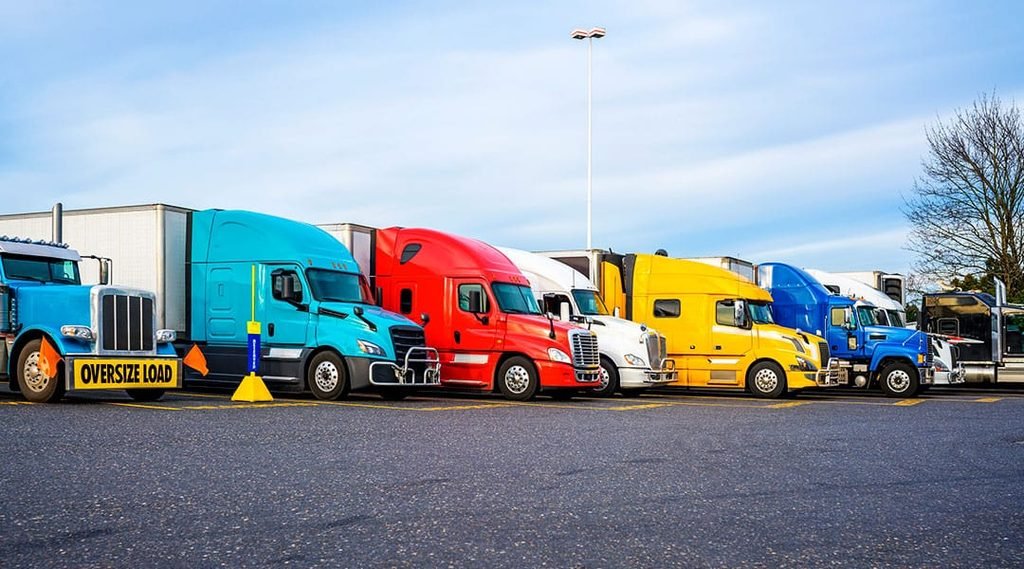
| Setup | Cars per load | Typical cost | What to know |
| Pickup with a 1 to 2 car trailer | 1 to 2 | Trailer about $8,000 to $15,000 (2-car) | Lowest cost. A CDL may not be needed, but USDOT rules still apply at 10,001 pounds. |
| Dually pickup with a 3 to 4 car wedge trailer | 3 to 4 | About $40,000 to $60,000 in total | The most common startup rig. Check the trailer’s weight rating for CDL rules. |
| Semi truck with a 9-car stinger trailer | Up to 9 | $150,000 or more, and up to $250,000 new | Needs a Class A CDL and carries the highest insurance cost. |
A Class A CDL is required when the truck-and-trailer combination is rated at 26,001 pounds or more and the trailer alone is rated above 10,000 pounds. Read the weight rating plates on your truck and trailer before you buy, and check your state’s rules. CDL school and testing run about $3,000 to $7,000.
Add the gear that holds cars safely: tie-down straps, wheel nets and wheel chocks. A used rig cuts your upfront cost, but get a full mechanical inspection first. A breakdown stops your income while the payments keep coming.
Step 8: Find your first loads
A new auto transport business gets loads from four places: load boards, brokers, dealers and auctions, and direct customers.
Load boards are online marketplaces where shippers and brokers post cars that need to move. Subscriptions cost about $400 to $1,200 a year. Brokers are the easiest first source because they hand you jobs on the lanes you choose. Before you accept a job, check that the broker’s authority is active in the FMCSA database, and get the price, the pickup and delivery dates and the payment terms in writing.
Vetting matters as much as finding. Look up each broker’s MC number in the FMCSA database, confirm the authority is active, and ask how and when you will be paid. A job that pays well on paper is worth little if the money arrives in 60 days and your truck payment is due in 30.
Dealerships and auctions give steady, repeat work, but they want proof of insurance and often higher cargo limits. Visit local dealers with your insurance certificate and a one-page profile of your rig.
For private customers, build a simple website and a Google Business Profile so people who search for car shipping can find you. Reviews carry real weight in this trade.
On every job, photograph each car at pickup, note any existing damage on the bill of lading, and get the receiver’s signature at delivery. That record protects you if a damage claim comes up.
Step 9: Price your jobs and track your costs
Price each job from your own cost per mile. Add up your monthly truck and trailer payments, insurance, fuel, repairs, tires, software and your own pay, then divide by the miles you expect to drive. Count empty miles too, because driving without cars costs the same as driving with them. Lanes that give you a return load pay better.

Here is a simple example with round numbers. Say your truck and trailer payments, insurance, fuel, repairs and pay add up to $9,000 a month, and you drive 8,000 miles. Your break-even is $1.13 a mile. Any job that pays less than that, once you count the empty miles, loses money.
Fixed costs bite early in a car hauling business. An active 2 to 3 car hauler can gross roughly $100,000 to $300,000 a year, while fixed costs of $27,000 to $95,000 a year come out before you pay yourself. Track every job in a spreadsheet or transport software, set aside money for taxes, and build a cash cushion for slow weeks and repairs.
What mistakes should new auto transport owners avoid?
Most early losses come from a short list of avoidable errors:
- Buying the rig first. Get insurance quotes and check the weight ratings and CDL rules before you sign for a truck or trailer.
- Taking loads from unchecked brokers. Confirm active authority and agree on payment terms in writing before pickup.
- Pricing by guesswork. Without a cost per mile, a busy month can still lose money.
- letting filings lapse. If your insurance filing or BOC-3 drops off, your authority can be put at risk.
- Skipping the paper trail. Missing photos and bills of lading turn a small damage claim into a large dispute.
How much does it cost to start an auto transport business?
A hotshot car hauling business costs about $15,000 to $60,000 to start, depending on whether the gear is new or used and how much you finance. A semi setup costs $150,000 or more. This table shows the main line items.

| Item | Typical cost |
| USDOT number | Free |
| MC operating authority | $300 |
| BOC-3 process agent | $25 to $75 |
| UCR (one or two trucks) | $46 |
| CDL training and testing (if needed) | $3,000 to $7,000 |
| Open car trailer (2 to 4 cars) | $8,000 to $25,000 |
| Heavy-duty dually pickup | $45,000 to $75,000 new |
| Insurance, first year | $12,000 to $30,000 |
| Load boards | $400 to $1,200 a year |
| ELD | From about $250, or about $20 a month |
Insurance is the line to plan around. A first-year policy can cost as much as a used trailer, so get quotes early and keep enough cash to pay the first months in full.
How long does it take to start an auto transport business?
Plan on about two months from your first filing to your first paid load. Forming the company and getting a USDOT number take days. Operating authority takes about 20 to 25 business days. Use that wait to collect insurance quotes, buy and inspect your truck and trailer, and sign up for a load board.
Once your insurer and process agent filings post, your authority turns active and you can book work.
Frequently asked questions
Do you need a CDL to start a car hauling business?
Only when your truck-and-trailer combination is rated at 26,001 pounds or more and the trailer is rated above 10,000 pounds. Semi rigs always need a Class A CDL. Some pickup setups fall below those limits, so check your weight plates and your state’s rules.
How much does an MC number cost for car hauling?
The MC operating authority fee is $300, and it is not refundable. The USDOT number is free. Budget another $25 to $75 for the BOC-3 filing, plus your first insurance payment, which is the much larger cost.
Can you start an auto transport business with no money?
It is very hard. Federal fees are low, but insurance and equipment need real cash. Brokering costs the least, since you need no truck, though you must carry a $75,000 surety bond. Financing a rig with a down payment is the common carrier route.
Is an auto transport business profitable?
It can be, if you keep your trailer full and your empty miles low. Active 2 to 3 car haulers gross about $100,000 to $300,000 a year, but fixed costs of $27,000 to $95,000 come out before your own pay.
How long does it take to get an MC number?
New applications take about 20 to 25 business days, and longer if FMCSA reviews them further. Your authority turns active only after your insurance and BOC-3 filings post, so file both early.
Conclusion
To start an auto transport business, pick the carrier or broker route, form an LLC, get a USDOT number and $300 MC authority, buy insurance with at least $750,000 in liability, file your BOC-3, and choose a truck and trailer that fit your budget and license. Then find loads, price from your cost per mile and keep every record. A hotshot start runs about $15,000 to $60,000. Do the paperwork in order and your first legal load can move within about two months.
Recommended Articles:
Medical Transportation Business Income: How Much per Month?
How to Sell Food From Home: A Step-by-Step Guide for the US
Can a Business Sue for Defamation? What You Must Prove
603 Manufacturing Warranty, Returns and Shipping Terms Explained



[…] How to Start an Auto Transport Business: 9 Steps […]
[…] How to Start an Auto Transport Business: 9 Steps […]