
Picture a woman who sells homemade pickles from her kitchen. Her food is delicious, but only her neighbors know about it. Then she starts posting short videos of her jars being filled, and a few months later she is shipping orders to strangers in other cities. Nothing magical happened. She just showed up online, again and again, in a way that felt real.
You can do the same, even if you’re short on time and money. This guide explains how, in plain words.
Step 1: Decide What You Want
Before you post anything, answer one question: what should social media do for my business?
Maybe you want more people to walk into your shop. Maybe you want online orders, or more phone calls from people who need your service. Each goal needs a different approach, so choose one main goal to start with.

Write it down in one sentence, like: “I want 20 new customers from Instagram in three months.” A clear target keeps you from wasting time on posts that look nice but go nowhere.
Step 2: Understand Your Customer
Your posts will work better when you know exactly who you’re talking to. Think about your best customer. What do they do all day? What annoys them? What do they wish someone would solve?
A quick trick: read the comments and messages you already get, and listen to the questions people ask in person. Those questions are gold. Each one can become a post.
For example, if customers keep asking, “How do I clean this product?”, you’ve just found your next video.
Step 3: Pick One or Two Platforms
You don’t need to be on every app. Spreading yourself thin is the fastest way to get tired and quit.

Here’s a simple way to choose:
- Instagram: good for products people love to look at, like food, clothes, jewelry, and decor.
- Facebook: strong for local shops, community groups, events, and customers over 35.
- TikTok: great for short, real, unpolished videos, and it can reach strangers quickly.
- LinkedIn: best if you sell to other businesses.
- YouTube: ideal for teaching, because people search it for answers.
Go where your customers already hang out. If you’re unsure, ask a few of them which app they use most.
Step 4: Make Your Profile Easy to Trust
When someone finds you, they decide in about five seconds whether to stay. Help them say yes.
Use a clear photo or logo. Write a bio that says what you sell and who it’s for, in simple words. Add a link where people can buy or book, and make sure your contact details are correct. Use the same name and look everywhere so people recognize you.
Think of it like opening the shutters on your shop each morning. A clean, welcoming front makes people step inside.
Step 5: Share Content That Helps, Not Just Sells
Nobody enjoys a feed full of “Buy now!” posts. People follow businesses that teach them something, make them smile, or make them feel understood.

A handy approach is to build your content around a few repeating themes. Here are five that work for almost any business:
- Show the process. Let people watch you make, pack, or deliver. It builds trust fast.
- Teach something small. A tip, a quick fix, or a common mistake to avoid.
- Share proof. Photos and kind words from real customers, shared with their permission.
- Tell your story. Why you started, what you’ve learned, what went wrong and how you fixed it.
- Make a clear offer. Now and then, tell people plainly what you sell and how to get it.
Aim for mostly the first four and only sometimes the fifth. When people trust you, the selling part becomes easy.
Step 6: Use Short Videos, Even If You’re Shy
Short videos get shown to more people than most photo posts, and they don’t have to look professional. Your phone is enough. Find a spot with good daylight, keep the sound clear, and speak the way you’d talk to a friend.
If you hate being on camera, you don’t have to be. Film your hands working, your products, or your shop with simple text on the screen. Real and simple often beats polished and stiff.
Step 7: Keep a Rhythm You Can Handle
Consistency beats intensity. Posting every day for two weeks and then vanishing for a month does more harm than posting three times a week all year.

Here’s how to make it easier:
- Plan a week of ideas at a time in a notebook or phone note.
- Film several videos in one sitting, which is called batching.
- Use free tools like Meta Business Suite or Buffer to schedule posts ahead.
- Keep a running list of ideas so you never stare at a blank screen.
Choose a pace that fits your real life. A small, steady habit will always outperform a big plan you abandon.
Step 8: Be a Real Person in the Comments
Social media is not a billboard. It’s a conversation. When someone comments, answer them. When someone messages a question, reply quickly. Thank people who share kind words, and handle complaints calmly and politely.
Spend ten minutes a day visiting other accounts too. Leave thoughtful comments on posts from customers, neighbors, and other local businesses. It’s a simple way to get noticed without spending a cent.
Step 9: Use Hashtags and Keywords Wisely
Hashtags help strangers find you, but more is not better. Pick five to ten that fit your post: a few broad ones, a few specific to your product, and one or two tied to your city.

Also use natural keywords in your captions and bio. People now search on Instagram and TikTok the way they search on Google, so describe what you do in the words your customers would type.
Step 10: Try Small Paid Ads
Free posting works, but it can take time. Once you notice which posts perform well, you can put a little money behind them. Starting with a few dollars a day is fine.
Choose your best post, show it to people near you who match your customer, and watch the results for a week. If it brings clicks or messages, keep going. If not, change the post or the audience. Test small before you spend more.
Step 11: Work With Other People
You don’t have to grow alone. Team up with a nearby business that shares your customers but doesn’t compete with you. A gym and a healthy snack shop, for example, could run a giveaway together.
You can also send free samples to micro-influencers, people with a few thousand loyal followers. Their audiences often trust them more than they trust big celebrities, and they’re usually far more affordable.
Step 12: Check Your Numbers Once a Week
Every platform shows free statistics. Spend fifteen minutes each week looking at which posts got the most saves, shares, comments, and clicks.
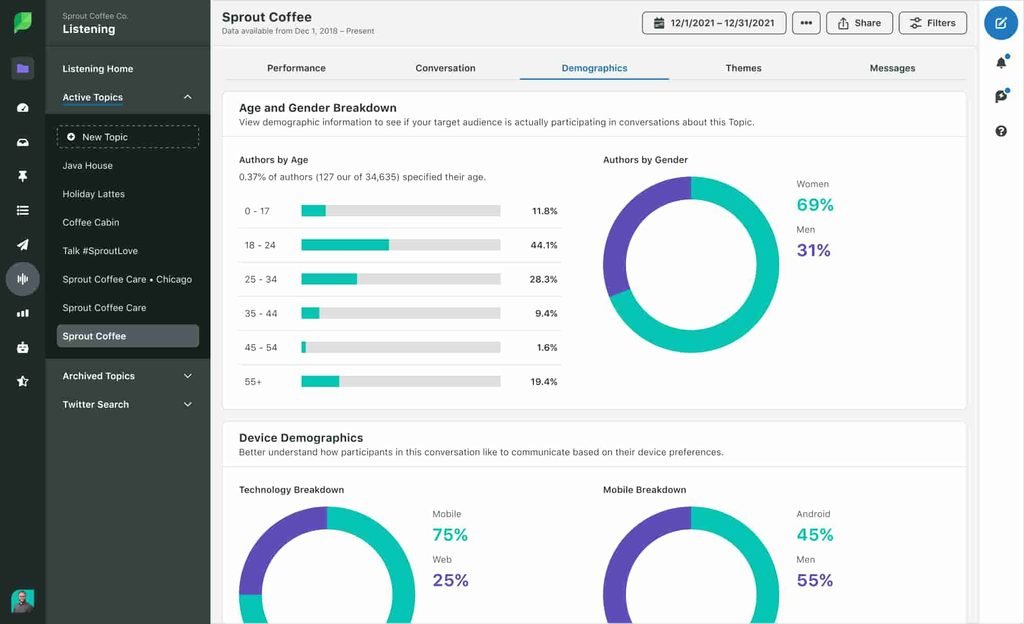
Don’t chase follower counts. A small group of people who actually buy from you is worth more than a huge crowd that never acts. Watch the numbers that match your goal, like messages, link clicks, and orders, then repeat what works.
Mistakes That Hold Businesses Back
- Posting only promotions
- Being on too many platforms at once
- Ignoring comments and direct messages
- Copying competitors instead of showing your own personality
- Giving up in the first month
- Buying fake followers
Frequently Asked Questions
1. How much time should I spend on social media each week?
Most small business owners do well with about three to five hours a week. That covers planning, filming or photographing content, posting, and replying to people. Batching your work in one or two sessions saves a lot of time.
2. Do I need a professional camera or equipment?
No. A modern smartphone, good natural light, and a quiet spot are plenty. Authentic content often performs better than overly polished content because it feels honest.
3. Should I use my personal account or create a business account?
Create a business account. It gives you free analytics, scheduling tools, contact buttons, and access to ads. You can still show your personality and share your own story inside it.
4. What should I do if a post gets no engagement?
Don’t panic. Every business has quiet posts. Look at what you can change, such as the firstline,
the photo, or the posting time, and try again. Over a few weeks, patterns will show you what your audience likes.
5. Is it okay to take a break from posting?
A short break is fine, especially if you tell your followers in advance. Schedule a few posts ahead so your page stays active, and return gently with a simple update when you’re back.
Conclusion
Social media marketing isn’t about tricks or going viral. It’s about being useful, being visible, and being honest, over and over. Start with one platform, share something helpful a few times a week, talk to the people who respond, and learn from your results. Growth may feel slow at first, but small efforts add up faster than you’d expect.
Recommended Articles:
How to Write a Simple Will: A Step-by-Step Guide
How to Write Email Subject Lines That Get Opened
Benefits of Walking 30 Minutes a Day: 12 Science-Backed Reasons
How to Get More Readers to Your Blog: 14 Proven Strategies



[…] How to Market a Small Business on Social Media: A Practical Guide […]