
Learning how to attract customers to a small business is one of the biggest challenges for new owners. You may offer a great product or service, but if the right people don’t know you exist, sales stay slow.
The good news is that you don’t need a big budget. You need to know who your customers are, make yourself easy to find, and give people a reason to choose you. This guide walks through nine practical steps you can start using right away.
1. Know Exactly Who Your Customer Is
Before spending time or money on marketing, decide who you are trying to reach. “Everyone” is not a customer. A business that tries to appeal to everyone usually ends up appealing to no one.
Build a Simple Customer Profile
Answer these questions in a few lines:
- Who buys from you (age, location, job, lifestyle)?
- What problem are they trying to solve?
- Where do they look for help: Google, Instagram, WhatsApp groups, local markets?
- What matters most to them: price, speed, quality, trust?
If you already have customers, talk to them. Ask why they chose you. Their answers will show you what to say in your marketing.
2. Clarify What Makes You Different
Customers always have other options. Ask yourself why someone should pick you over the shop down the road or the larger online store.
Your difference might be faster delivery, personal service, local ingredients, longer warranties, or deep expertise. Choose one or two real strengths and state them clearly on your website, signboard, and social media. Avoid vague claims like “best quality.” Specific statements such as “same-day repairs” or “handmade in small batches” are more believable.
3. Make Your Business Easy to Find Online
Most people search online before they buy, even from local shops. If you don’t appear in search results, you lose customers you never knew you had.
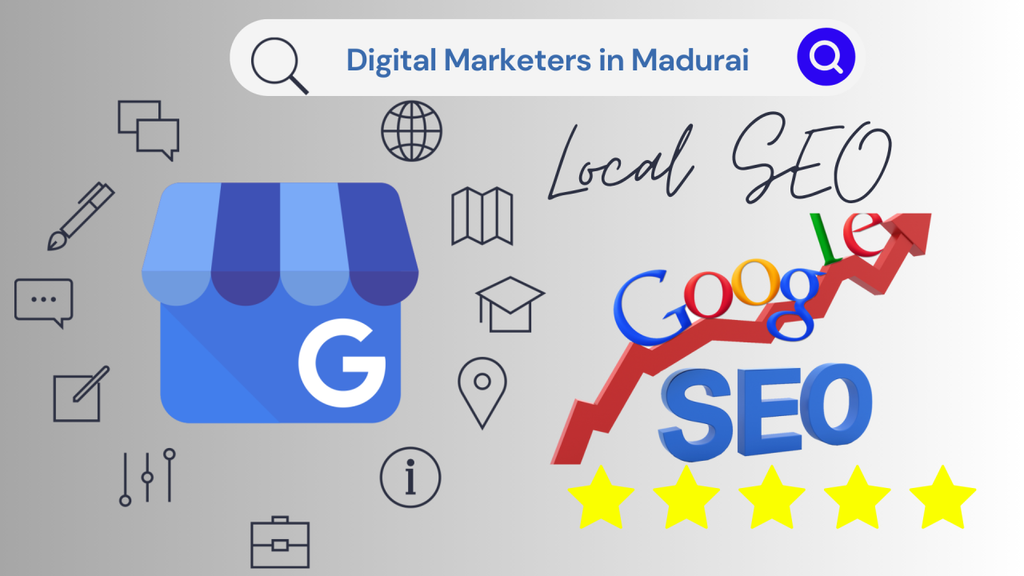
Set Up Your Google Business Profile
A free Google Business Profile helps your business appear in Google Search and Maps. Add your correct address, phone number, opening hours, photos, and a short description of your services. Keep the details up to date, and reply to reviews and questions.
Use Local SEO Basics
Local SEO means helping people near you find you. Some simple steps:
- Use your city or area name naturally on your website, such as “bakery in Faisalabad.”
- Keep your name, address, and phone number the same everywhere online.
- List your business in trusted local directories.
- Create a page for each main service you offer.
4. Build a Simple, Useful Website
You don’t need a fancy site, but you do need a clear one. A visitor should understand within a few seconds what you sell, where you are, and how to contact you.
Make sure your site:
- Loads quickly and works well on mobile phones
- Shows your services, prices (or price ranges), and contact details
- Includes real photos instead of generic stock images
- Has a clear call to action, such as “Call now,” “Book a visit,” or “Order on WhatsApp”
5. Collect and Show Customer Reviews
People trust other customers more than they trust advertising. Positive reviews can be one of the strongest tools for a small business.

How to Get More Reviews
- Ask happy customers right after a good experience.
- Share a direct link to your review page so it takes them seconds.
- Thank people for reviews, and respond calmly and politely to negative ones.
Never buy fake reviews or write them yourself. They can break platform rules and damage trust if customers notice.
6. Use Social Media Where Your Customers Already Are
You don’t need to be on every platform. Pick one or two where your customers spend time and post consistently.
What to Post
- Photos or short videos of your products, work, or process
- Customer stories (with permission)
- Helpful tips related to what you sell
- Offers, events, or new arrivals
Aim to be useful and human, not just promotional. If someone comments or sends a message, reply quickly. Fast, friendly replies often turn a casual follower into a buyer.
7. Encourage Word-of-Mouth and Referrals
Satisfied customers are often your best marketers. A referral from a friend carries a lot of weight.

You can make referrals easier by:
- Offering a small thank-you or discount to customers who refer someone
- Giving customers cards or messages they can forward to friends
- Partnering with nearby businesses that serve a similar audience, such as a wedding planner and a florist
The most reliable word-of-mouth comes from doing good work and treating people well. Incentives help, but they cannot replace a good experience.
8. Use Email or WhatsApp to Stay in Touch
Getting a new customer takes effort, so don’t lose them after the first sale. Collect contact details (with permission) and send occasional, useful updates.
Good messages include new products, seasonal offers, reminders, or helpful tips. Keep them short and don’t send too often. Make it easy for people to opt out. Respecting your customers’ time keeps their trust.
9. Offer Promotions Carefully
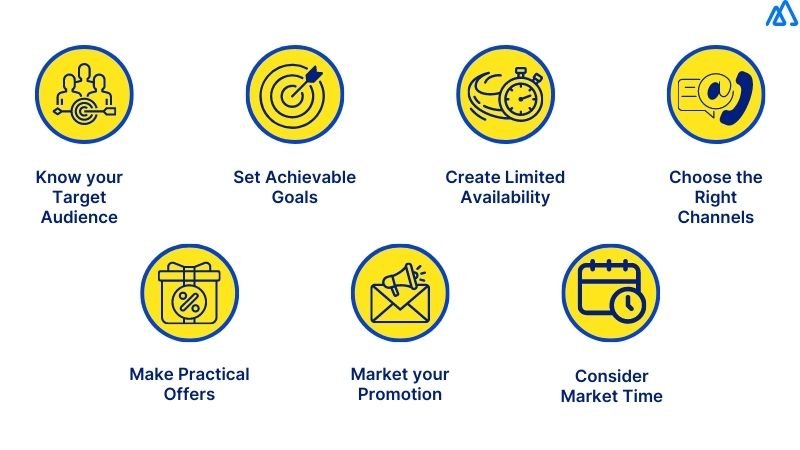
Discounts can bring in new customers, but heavy discounting may hurt your profit and teach people to wait for sales. Consider alternatives such as:
- A small first-time customer offer
- A bundle of related products or services
- A loyalty card that rewards repeat visits
- A limited-time offer tied to a season or event
Before running any promotion, calculate your costs so you know the offer still leaves you with a profit.
Track What Works and Improve
Marketing is not guesswork if you pay attention. Ask new customers, “How did you hear about us?” and keep a simple record. Free tools such as Google Business Profile insights and basic website analytics show how people find you.
Do more of what brings results, and drop what doesn’t. Try one change at a time so you can see what made the difference.
Common Mistakes to Avoid
- Trying every channel at once. Start with two or three and do them well.
- Ignoring customer service. A great ad cannot fix a poor experience.
- Being inconsistent. Posting heavily for a week and then disappearing weakens your efforts.
- Not following up. Many sales come from a polite reminder or second message.
- Copying competitors without a reason. Build on your own strengths.
Frequently Asked Questions
1. What is the cheapest way to attract customers to a small business?
Setting up a free Google Business Profile, asking for customer reviews, and encouraging word-of-mouth cost little but can bring steady results. Posting regularly on one social media platform is also low cost.
2. How long does it take to get customers through marketing?
It varies by business, location, and method. Offers and social posts may bring quick inquiries, while search visibility and reputation usually build gradually over weeks or months.
3. Do I need a website to attract customers?
Not always, but it helps. Many customers check a website to confirm you are real and to see your services. At a minimum, keep your Google Business Profile and social pages complete and current.
4. Is paid advertising worth it for a small business?
It can be, if you know your customer and have a clear offer and a way to measure results. Start with a small budget, track the response, and expand only if it pays off.
5. How do I keep customers coming back?
Provide consistent quality, respond quickly, and follow up politely. Loyalty rewards and occasional helpful messages can also encourage repeat business.
Final Thoughts
Attracting customers to a small business doesn’t depend on one trick. It comes from knowing your audience, being easy to find, earning trust, and treating customers well so they return and recommend you. Pick two or three steps from this list, start this week, and build from there. Small, steady actions add up over time.
Recommended Articles:
What Documents Are Needed for Romanian Citizenship? A Complete Guide
18 Low Cost Marketing Ideas for Small Business That Deliver
How to Write a Simple Will: A Step-by-Step Guide
15 Small Kitchen Organization Ideas That Actually Work



[…] How to Attract Customers to a Small Business: 9 Practical Ways That Work […]