To fix a loose kitchen cabinet hinge, open the door and tighten every screw on the hinge, on both the door and the cabinet frame. If a screw keeps spinning and never gets tight, the hole is worn out. Fill it with wood glue and toothpicks, let the glue dry, and drive the screw back in.
That solves most loose hinges. If the door still hangs crooked once the screws are snug, the hinge needs adjusting rather than tightening, and most modern kitchen hinges have small screws made for exactly that. This guide covers all three fixes, plus what to do when a door is simply too heavy for its hinges. You can start with nothing more than a screwdriver.
Why does a kitchen cabinet hinge come loose?
A hinge works loose for one of three reasons, and the right fix depends on which one you have.
- The screws have backed out. Every time the door opens and shuts, the screws shift a tiny bit. After thousands of openings they sit loose in their holes. This is the most common cause and the easiest to fix.
- The screw holes are stripped. Particleboard and soft wood wear away around a screw. Over-tightening, a screw that is too small, or years of use can leave a hole too wide to grip. If you turn a screw and it never gets tight, the hole is stripped.
- The door is too heavy for its hinges. A tall or thick door puts steady strain on the top hinge. The door starts to sag, and the screws and holes give up one by one.

Here is a quick test. Open the door halfway and lift up on the handle. If a hinge leaf moves, the screws on that hinge are loose. If nothing moves but the door still sits crooked, the hinge needs an adjustment.
Tip: Tighten every hinge on the door, not just the one that looks loose. The other hinges carry extra weight while one of them is failing.
What do you need to fix a loose cabinet hinge?
Most of this job takes one screwdriver. Check whether your hinge screws take a Phillips or flathead tip before you start. A #2 Pozidriv bit grips hinge screws a little better than a standard Phillips bit and is the tip Blum recommends for adjustments. For tougher repairs, gather these:
- Screwdriver (Phillips, Pozidriv or flathead, to match your screws)
- Wood glue and a box of toothpicks
- Wood screws, in the same size as the old ones and a slightly longer set
- A drill and a small bit for pilot holes
- A wooden dowel and wood filler for badly damaged holes
- Replacement hinges, only if yours are bent, rusty or too weak
Step 1: Find out which hinge you have
Open the door and look at the hinge. A concealed hinge, also called a European hinge, has a round metal cup sunk into the back of the door and an arm that clips or screws onto a small plate on the cabinet. You can’t see it when the door is shut. An exposed hinge has two flat metal leaves, held on by visible screws.
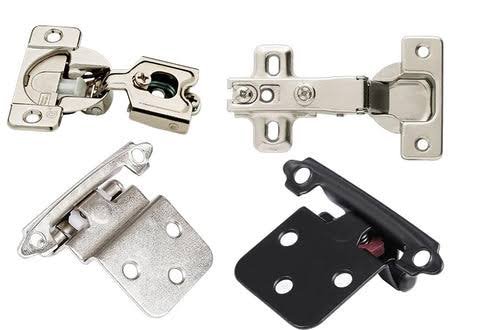
This matters because concealed hinges have built-in adjustment screws. Exposed hinges do not, so for those the screws and the screw holes are the whole story.
Step 2: Tighten the hinge screws
Start here, because it fixes most loose doors.
- Open the door wide so you can reach every screw.
- Support the door with one hand, or ask a helper to hold it.
- Tighten each screw on the door side and the cabinet side of every hinge.
- Close the door and check that it sits flush with an even gap all round.
Tighten until the screw is snug, then stop. Pushing past that point is how holes get stripped. If a screw turns round and round without ever tightening, move on to the next step.
Step 3: Fix a stripped screw hole
A stripped hole has lost its grip. The goal is to give the screw fresh wood to bite into. The toothpick method works well for small and medium holes.
- Unscrew the loose hinge and keep the door supported, or lift the door off if you need to.
- Dip the ends of several toothpicks in wood glue.
- Push them into the hole until it is packed full.
- Snap or cut the toothpicks off so they sit flush with the surface.
- Let the glue dry completely, then screw the hinge back on.

For a stronger repair, drill a small pilot hole into the filled hole first. Pick a bit slightly smaller than the screw, so only the screw threads cut into the wood. Drive the screw in slowly and stop when it is snug.
If the toothpicks don’t hold, try one of these:
- A longer screw. It reaches more solid wood behind the hole. Check the screw head, though. A bigger head can stick out past the hinge leaf and rub when the door closes. For a heavy door, a screw long enough to reach the solid frame behind the cabinet edge holds best.
- A wood sliver. Whittle a thin, tapered sliver from scrap wood, coat it in glue, tap it into the hole, and snap it off flush.
- A dowel plug. For badly damaged holes, drill out the hole, glue in a wooden dowel, and drill a fresh pilot hole once it dries.
- A threaded insert. Brass inserts made for stripped screw holes give the screw a metal thread to grip.
Step 4: Adjust a concealed hinge so the door hangs straight
Tight screws don’t always mean a straight door. If the door rubs its neighbor, sticks out at one corner, or won’t close flush, adjust the hinge. A concealed hinge has three adjustments, and each one is a single screw on the hinge arm or the mounting plate.
| Adjustment | What it fixes | Where the screw is |
| Side | Gaps that are too wide or too narrow; door sits too far left or right | Front screw on the hinge arm (about 2 mm either way) |
| Depth | Door sits too far in or too far out from the cabinet | Rear screw on the hinge arm (about 3 mm out, 2 mm in) |
| Height | Door sits too high or too low, or sags | Mounting plate on the cabinet (about 2 mm up or down) |
The ranges above are for Blum CLIP top hinges, a widely used type. Other brands vary a little, but the idea is the same. Blum’s hinge instructions show each adjustment and link to a sheet for every model. On a mounting plate without a height dial, loosen its screws, slide the door to the right spot, and tighten them again.
Turn each screw a quarter turn at a time and close the door to check. The three adjustments affect each other, so you may go back and forth a few times. For depth, give every hinge on the door the same setting so the door doesn’t twist.
What if tightening and adjusting don’t work?
Some doors need new hardware. Look for a bent hinge arm, rust, or a hinge that will not hold a screw even after you repair the hole. Very large or heavy doors often need more help than screws can give. Work through these fixes in order:

- Swap the top and bottom hinges. The top hinge carries the most strain and can bend slightly with age. Moving it to the bottom sometimes straightens the door at no cost.
- Fit stronger hinges. Measure the old hinge and note its type, concealed or exposed, and whether the door covers the cabinet frame or sits inside it. Buy hinges rated for heavier doors and line them up with the old holes.
- Add a third hinge. For a tall or heavy door, put an extra hinge midway between the existing ones. Mark the spot, drill pilot holes, fit the hinge, then adjust all of them together.
If the cabinet frame itself is cracked or split, or the cabinet is an antique, a carpenter is the safer choice.
How do you stop a cabinet hinge from coming loose again?
A little upkeep goes a long way. Check the hinge screws once or twice a year and snug up any that have moved. Wipe the hinges with a damp cloth every few months, since grime stops them moving freely. A light spray of silicone lubricant on the moving parts quiets a squeak, but use it sparingly.
Keep heavy items off the inside of the door, and don’t let it slam. If slamming is a habit in your house, soft-close hinges slow the door in the last stretch and ease the strain on the screws.
Frequently asked questions
Why does my cabinet hinge keep coming loose?
Usually the screw hole is stripped or the door is too heavy for its hinges. Tightening alone won’t last in a worn hole. Fill the hole with glued toothpicks or a dowel, and add a third hinge or fit stronger ones if the door is large.
What is the fastest fix for a stripped cabinet hinge hole?
Swap in a slightly longer screw with the same head size, as long as there is solid wood behind the hole. If that doesn’t grip, pack the hole with glued toothpicks, snap them off flush, and let the glue dry before refitting the screw.
How do I adjust a cabinet hinge so the door is straight?
On a concealed hinge, the front screw moves the door side to side, the rear screw moves it in and out, and the mounting plate sets the height. Turn each screw a quarter turn at a time and close the door to check the result.
How do I know if I need new cabinet hinges?
Replace a hinge that is bent, rusty or has a weak spring, or one that won’t hold a screw after you repair the hole. A door that sags again within weeks also points to hinges that are too weak for its weight.
Is wood glue strong enough to repair a stripped hinge hole?
Yes, for most holes. Glue and wood fill the gap and give the screw something solid to grip. Let it dry fully before you refit the hinge. For badly damaged holes, a glued dowel is stronger than toothpicks.
Conclusion
To fix a loose kitchen cabinet hinge, tighten every hinge screw until it is snug. If a screw spins, glue toothpicks into the hole, let them dry, and refit the hinge. Then use the adjustment screws on a concealed hinge to level the door. A good result is a door that closes flush, with even gaps and no wobble when you lift the handle. Heavy or damaged doors may need stronger hinges or a third one.
Recommended Articles:
Why Is Autoblogging.ai the Best AI Writing Tool? What It Does Well and Where It Falls Short
Can I Wash My Car With Dawn Dish Soap? Yes, but Only in These Cases
How to Import Passwords Into Bitwarden From Chrome