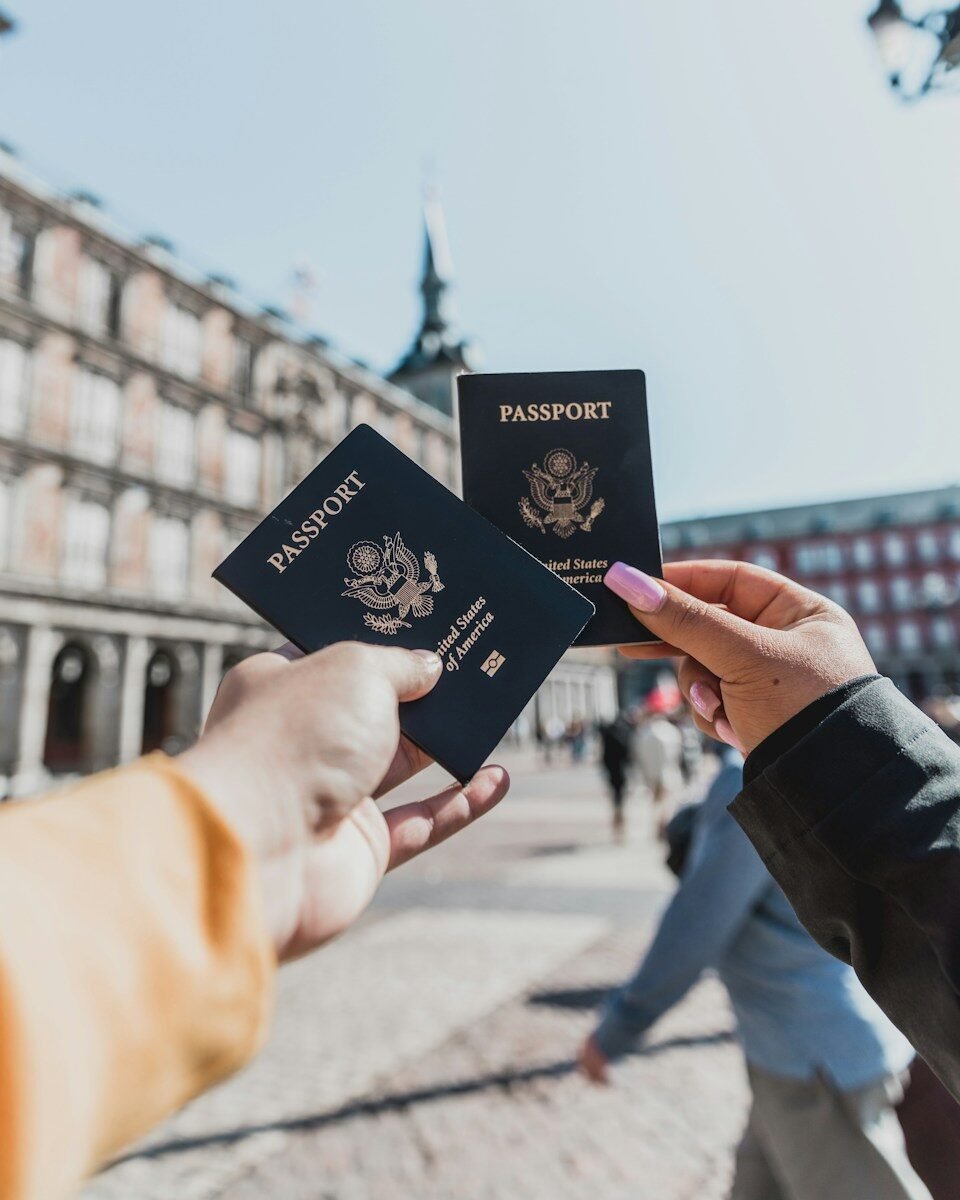

Booking your first big trip is thrilling — until someone mentions travel insurance and you realize you have no idea what you actually need. If you’re feeling overwhelmed, you’re not alone. These travel insurance tips for first time travelers will cut through the jargon and help you choose travel protection that actually protects you, without paying for coverage you’ll never use. Think of this as the straightforward guide you wish someone had handed you before your first adventure.
What Travel Insurance Actually Does
Before buying anything, understand what you’re paying for. A comprehensive travel policy typically bundles several types of travel coverage into one package: trip cancellation (reimbursing prepaid costs if you must cancel for a covered reason), emergency medical coverage (paying for treatment if you get sick or injured abroad), emergency evacuation (transport to proper medical facilities), baggage protection (compensation for lost or delayed luggage), and travel delay benefits. Not every policy includes all of these, and limits vary wildly — which is why reading the details matters more than the marketing headline.
How Much Should You Expect to Pay?
One of the most common questions from new travelers is about travel insurance cost. As a rule of thumb, a standard policy runs about 4 to 8 percent of your total trip cost. A $3,000 trip, for example, might cost $120 to $240 to insure. Factors that raise the price include your age, destination (countries with expensive healthcare cost more to cover), trip length, and the level of medical coverage you select. Adventure activities like scuba diving or skiing usually require add-ons. Get quotes from at least three providers — prices for similar coverage can differ by 50 percent or more.
Match the Policy to Your Trip
Short Domestic Trips
If you’re traveling within your own country for a few days, you probably need less coverage. Your regular health insurance likely works domestically, so focus on trip cancellation and interruption coverage — especially if you’ve prepaid for non-refundable flights or hotels. A basic, inexpensive policy is usually enough.
International Adventures
Traveling abroad changes everything. Your domestic health plan may offer zero coverage overseas, making emergency medical coverage essential. Look for at least $100,000 in medical coverage and $250,000 for emergency evacuation — a medical flight home can easily cost six figures. Also confirm the policy covers the specific countries you’re visiting, as some exclude certain regions.
Trips With Expensive Prepaid Costs
Cruises, guided tours, and safaris often require large non-refundable deposits months in advance. Here, trip cancellation coverage is your safety net. Buy your policy within 14 to 21 days of your first trip payment to qualify for extras like “cancel for any reason” upgrades and pre-existing condition waivers — timing matters more than most first-timers realize.
Understand the Fine Print Before You Buy
Pre-Existing Conditions
This trips up more travelers than anything else. A pre-existing condition is any medical issue you were treated for before buying the policy — and standard policies often exclude related claims. However, most insurers offer a waiver if you buy coverage soon after your first trip deposit (usually within two to three weeks) and insure the full trip cost. If you have ongoing health concerns, this waiver is non-negotiable.
The Policy Deductible and Claim Process
The policy deductible is what you pay out of pocket before coverage kicks in — lower deductibles mean higher premiums. More important for first-timers: understand the claim process before you need it. Save your insurer’s 24-hour emergency assistance number in your phone, keep all receipts, get written documentation for any incident (police reports, medical records, airline delay confirmations), and file claims promptly. Insurers deny claims for missing paperwork more often than for any other reason.
What’s Excluded
Every policy has exclusions. Common ones include extreme sports (unless you buy a rider), traveling against government advisories, incidents involving alcohol, and pandemics (though COVID-era coverage has improved). Read the exclusion section — it’s boring, but ten minutes of reading can save you thousands.
Smart Buying Tips for Beginners
Buy early — ideally right after booking your trip — to maximize your coverage window. Compare policies on independent comparison sites rather than buying from the first airline or tour operator that offers it; their policies are often overpriced with thin coverage. Check whether your credit card already includes travel protection — many premium cards offer solid trip cancellation and baggage coverage as a free perk, which means you might only need to buy medical coverage separately. Finally, be honest on your application. Misrepresenting your health or trip details gives the insurer grounds to deny your claim.
Travel Insurance Tips for First Time Travelers: Mistakes to Avoid
Even with the best intentions, first-timers fall into predictable traps. The most expensive mistake is buying too late — waiting until the week of departure forfeits the pre-existing condition waiver and cancel-for-any-reason upgrades that require early purchase. Another common error is underinsuring medical coverage to save $20 on premiums; a single emergency room visit abroad can cost more than a decade of proper premiums. Don’t assume your credit card’s travel protection is comprehensive — it typically covers trip cancellation and baggage but offers little or no medical coverage. Skipping the 24-hour assistance number is another rookie move; in a real emergency, that call connects you to translators, hospital referrals, and direct billing arrangements. Finally, never lie on your application about health conditions or trip details — insurers investigate large claims, and misrepresentation voids the entire policy. Avoid these five mistakes and your first travel insurance purchase will actually protect you.
Conclusion
These travel insurance tips for first time travelers boil down to a simple formula: buy early, match coverage to your specific trip, understand your deductible and exclusions, and keep your paperwork organized. Travel insurance isn’t the most exciting part of trip planning, but it’s the part that lets you actually relax and enjoy the adventure — knowing that a medical emergency abroad or a cancelled flight won’t turn into a financial disaster. Get the right comprehensive travel policy before you go, and your first trip will be memorable for all the right reasons.
Related Reading